
Google Pixel 8 Review: Google Worked Their Magic Again!
The Google Pixel 8 offers a compact design, a bright 120 Hz Actua Display, a 50 MP camera with improved low-light performance, better battery life, and enhanced AI features powered by Tensor G3.
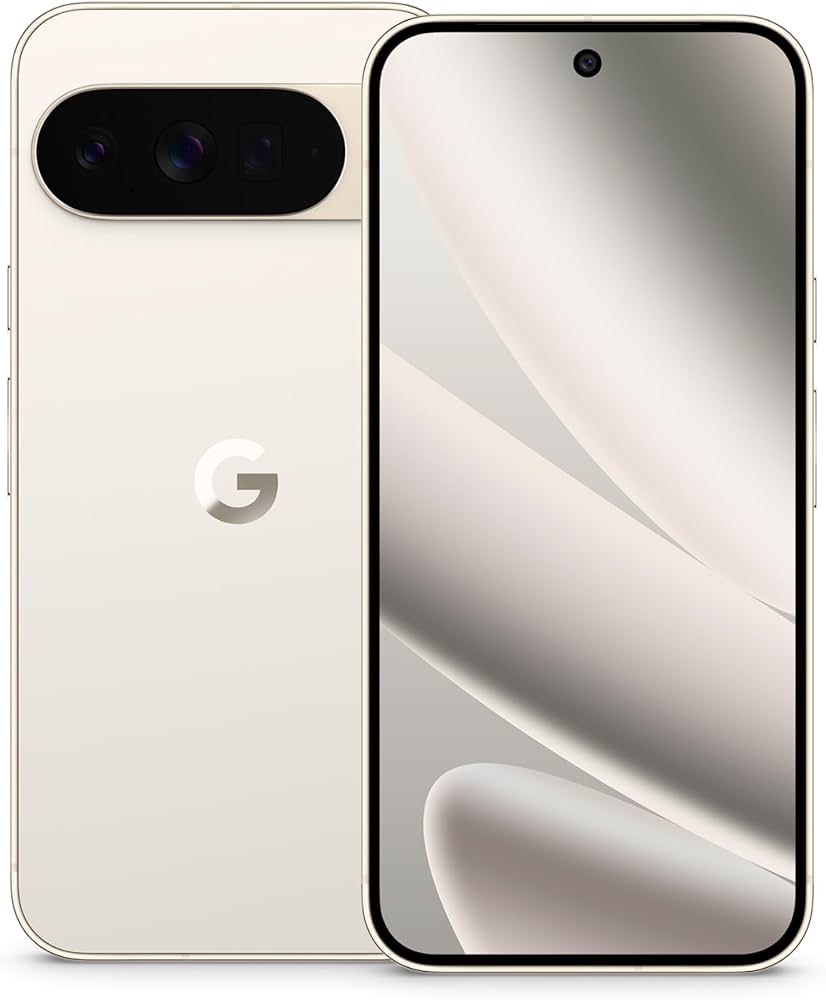
Google Pixel 8 Review: Google Worked Their Magic Again!
The Google Pixel 8 arrives with substantial upgrades over the Pixel 7, promising enhanced performance, improved AI features, a brighter display, a redesigned form factor, and a longer-lasting battery. Google has refined its formula with a more compact, ergonomic design and a new Actua Display, while the Tensor G3 chipset brings smarter on-device intelligence. This review explores the updates that make the Pixel 8 a compelling choice for tech enthusiasts and everyday users alike.
Google's approach with the Pixel 8 emphasizes refinement and intelligence over raw speed. The smaller, lighter body, brighter screen, and enhanced AI capabilities create a phone that feels distinctly more polished than its predecessor. It is not a radical reinvention, but the cumulative improvements make it a noticeably better device.
Design and Build Quality
Google has revamped the Pixel design with the Pixel 8, showing significant departures from the Pixel 7. The base model is now smaller and lighter, with rounded edges that enhance tactile feel. The aluminum construction contributes to a shiny frame with a matte glass finish, accentuated by a high-polished camera bar. Button placement remains familiar, with volume rockers and the power button in their usual spots, alongside speakers and a USB-C 3.1 interface at the bottom.
Color options include Obsidian, Hazel, and Rose, with Hazel drawing attention for its unique cream hue. Build quality retains glass front and back protected by Gorilla Glass Victus and an aluminum frame. The device has shrunk to 150.5 mm in height, a 3.2 percent reduction, and weighs 187 grams, 10 grams lighter than the Pixel 7. IP68 water protection ensures resilience, offering 1.5 meters of water protection for 30 minutes.
Colors and Everyday Handling
The new color palette gives the Pixel 8 a fresh, modern look. The smaller size makes it genuinely comfortable for one-handed use, a rarity in today's market. The matte glass back resists fingerprints better than glossy finishes, and the rounded edges reduce hand fatigue during extended use. Overall, the Pixel 8 feels like a device designed for real-world comfort.
Display
The Pixel 8 introduces the Actua Display, a breakthrough in Google's screen technology. The 6.2-inch AMOLED panel offers a crisper visual experience with a 1080 by 2400 pixel resolution. Pixel density rises to 428 PPI, up from 416, thanks to the slightly smaller size. Gorilla Glass Victus protects the display, and an Always-On display provides quick notifications and at-a-glance information.
An under-display fingerprint scanner is embedded in the AMOLED panel, though it uses the previous-generation optical sensor, which is not as fast as ultrasonic alternatives. Brightness improves significantly, reaching 2000 nits, 42 percent brighter than the Pixel 7, ensuring optimal visibility in bright outdoor conditions. The refresh rate increases to 120 Hz from 90 Hz, translating to smoother app performance and quicker response times. HDR10+ support remains, making FHD content look stunning on the 85.5 percent screen-to-body ratio. The minimum refresh rate stays at 60 Hz, unlike the Pro model's 1 Hz capability.
Camera
The Pixel 8's camera system showcases significant upgrades. The primary camera uses a 50 MP sensor with a smaller f/1.68 aperture, enhancing low-light performance by allowing more light to reach the sensor. Despite the reduced aperture size, the Pixel 8 produces brighter, more vibrant photos. The 8x Super Res Zoom extends reach without a dedicated telephoto lens.
The 12 MP ultrawide camera and 10.5 MP front camera, both capable of 4K recording, round out the system. New AI features and improved apertures elevate the photography experience. Features like Magic Eraser, Best Take, and Photo Unblur carry over, while the Tensor G3 enables even smarter processing. The result is a camera that consistently produces excellent photos with minimal effort.
Video and Low-Light Performance
Video recording benefits from improved stabilization and 4K support on both front and rear cameras. Low-light photography sees meaningful gains thanks to the wider aperture and advanced processing. Night Sight produces detailed, well-exposed images in challenging conditions. While the Pixel 8 lacks a dedicated telephoto lens, Super Res Zoom handles moderate zoom adequately for most users.
Performance
The Tensor G3 chipset powers the Pixel 8, bringing a nona-core architecture and improved efficiency. While not the fastest in raw benchmarks, it excels in AI and machine learning tasks. Everyday performance is smooth and responsive, with quick app launches and seamless multitasking. The improved thermal management reduces heating during extended use compared to previous generations.
Google's focus on intelligent features rather than benchmark numbers means the Pixel 8 feels capable and modern. Live translation, voice typing, and call screening run efficiently on-device, showcasing the Tensor G3's strengths.
Software and User Experience
The Pixel 8 delivers the clean, bloatware-free Android experience Google is known for. The interface is intuitive, animations are smooth, and features like Call Assist and Now Playing enhance daily use. Google's long-term software support ensures the device remains current for years. The overall experience feels cohesive, polished, and thoughtfully designed.
Battery Life
Battery performance improves notably. The upgraded battery, combined with efficient display and chipset management, delivers longer-lasting endurance than the Pixel 7. Most users can expect a full day of heavy use, including photography, streaming, and gaming. Fast charging at 27 W provides quick top-ups, and wireless charging adds convenience. The Pixel 8 addresses one of the most common concerns from previous generations.
Specifications at a Glance
- Display: 6.2-inch AMOLED, 1080 x 2400, 120 Hz, HDR10+, 2000 nits peak
- Chipset: Google Tensor G3, nona-core
- Cameras: 50 MP wide (f/1.68, OIS) + 12 MP ultrawide; 10.5 MP selfie (4K); 8x Super Res Zoom
- Battery: 4575 mAh, 27 W fast charging, wireless charging
- Build: Gorilla Glass Victus front and back, aluminum frame, IP68, 187 g
- Features: Actua Display, Magic Eraser, Best Take, Photo Unblur, Face Unlock
- Connectivity: 5G, Wi-Fi 7, Bluetooth 5.3, USB-C 3.1
Verdict
The Google Pixel 8 is a refined, well-rounded flagship that improves on its predecessor in meaningful ways. The brighter 120 Hz display, better battery life, more compact design, and enhanced AI features make it a compelling choice. The lack of a microSD slot and the older-generation fingerprint sensor are minor drawbacks. For users seeking a premium Android experience with outstanding photography and long-term support, the Pixel 8 is an excellent choice and a clear upgrade over the Pixel 7.
FAQ
Is the Pixel 8 waterproof?
Yes. It has an IP68 rating, surviving submersion up to 1.5 meters for 30 minutes.
Does the Pixel 8 have a 120 Hz display?
Yes. The Actua Display supports 120 Hz, up from 90 Hz on the Pixel 7.
How good is the Pixel 8 camera?
It is excellent, with a 50 MP main sensor, improved low-light performance, and Google's AI-powered photography features.
Does the Pixel 8 support wireless charging?
Yes. It supports 27 W wired fast charging and wireless charging.
Is the Pixel 8 smaller than the Pixel 7?
Yes. It is 3.2 percent shorter and 10 grams lighter, making it more comfortable to hold.
Who should buy the Google Pixel 8?
Users wanting a compact, premium Android phone with great photography, bright display, and long battery life.

Jabir Al Shaker
Founder and editor of StartsNest. Technology writer and digital marketing specialist with expertise in mobile technology, consumer electronics, and online business strategies.
View all articles by Jabir Al Shaker →More to read
Xiaomi 13 Lite Review: Exceptional Design Meets Unbeatable Camera
The Xiaomi 13 Lite combines a slim 171g design, a 120Hz AMOLED display, a flagship-grade 50MP camera, dual selfie cameras, and 67W fast charging into an appealing mid-range package.
Xiaomi 13 Ultra Review: What is so Ultra?
The Xiaomi 13 Ultra packs a 50MP 1-inch Leica camera, Snapdragon 8 Gen 2, a 6.73-inch LTPO OLED display, and a 5000mAh battery with 90W charging into a premium IP68 body. Here is whether it lives up to the hype.
Xiaomi 13T Review: New MidRange King?
The Xiaomi 13T brings a vegan leather design, 144Hz display, Dimensity 8200-Ultra performance, and Leica-tuned cameras to the mid-range. Here is whether it earns the mid-range crown.
Comments (0)
No comments yet. Be the first to share your thoughts!