
Google Pixel 8 Pro vs iPhone 15 Pro Max: Battle Between The Best - AppleGadgets Blog
A comprehensive comparison of the Google Pixel 8 Pro and iPhone 15 Pro Max across design, display, camera, performance, battery, and value.
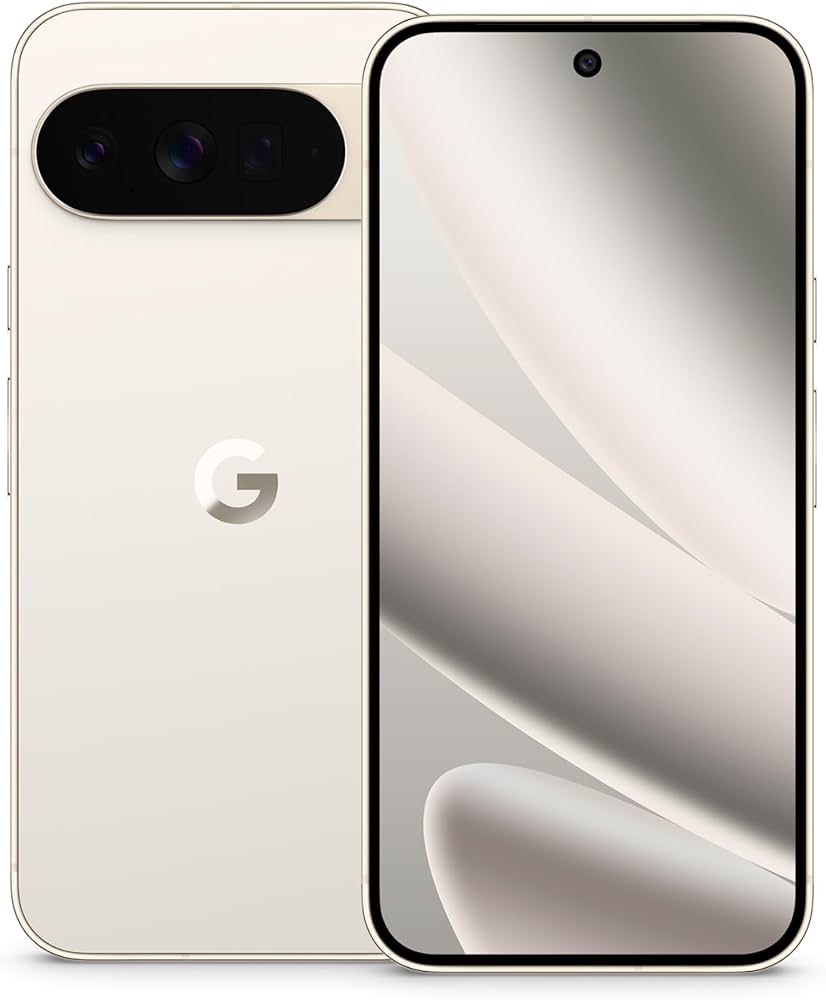
Google Pixel 8 Pro vs iPhone 15 Pro Max: Battle Between the Best
The Google Pixel 8 Pro and Apple iPhone 15 Pro Max represent the pinnacle of Android and iOS respectively. Both are flagship phones with premium builds, excellent displays, and powerful cameras. Choosing between them means weighing Google's AI-driven photography and software against Apple's ecosystem, video quality, and titanium design. This comparison covers design, display, camera, performance, software, battery, and verdict to help you decide.
Key Differences at a Glance
| Feature | Google Pixel 8 Pro | iPhone 15 Pro Max |
|---|---|---|
| Chipset | Google Tensor G3 (4 nm) | Apple A17 Pro (3 nm) |
| Display | 6.7-inch, 1344 x 2992, 489 PPI, 2400 nits | 6.7-inch, 1290 x 2796, 460 PPI, 2000 nits |
| Rear cameras | 50 MP + 48 MP + 48 MP | 48 MP + 12 MP + 12 MP |
| Front camera | 10.5 MP | 12 MP |
| Water resistance | IP68 (1.5 m) | IP68 (6 m) |
| Battery | 5050 mAh | 4441 mAh |
| Special features | AI photo tools, Magic Eraser | Action Button, Dynamic Island, LiDAR |
Design
The Pixel 8 Pro keeps Google's familiar camera bar design with a glossy panel housing three rear cameras. It measures 8.8 mm thick and feels slightly bulky, with color options including Porcelain, Obsidian, and Bay. The right side holds the power button and volume rocker. The iPhone 15 Pro Max introduces a titanium frame in Black, Blue, White, and Natural Titanium. Apple replaced the ring/silent switch with a haptic Action Button for customizable shortcuts. The iPhone is slimmer at 8.3 mm, a 5.6 percent reduction, and shorter at 159.9 mm versus 162.6 mm, giving it a sleeker feel. Both are premium, but the iPhone feels more refined in hand.
Display
Both phones use a 6.7-inch LTPO OLED panel with a 120 Hz refresh rate. The Pixel 8 Pro reaches 2400 nits peak brightness with a 1344 by 2992 resolution at 489 PPI, offering excellent sharpness and visibility. The iPhone 15 Pro Max peaks at 2000 nits with a 1290 by 2796 resolution at 460 PPI, but its thinner bezels give an 89.8 percent screen-to-body ratio versus 87.4 percent. Apple's Dynamic Island adds interactive notifications and media controls. The Pixel wins on brightness and sharpness; the iPhone wins on bezel design and immersive features.
Camera
The Pixel 8 Pro features a 50 MP main lens, a 48 MP 5x telephoto, and a 48 MP ultrawide with a 126-degree field of view. Google's AI tools include photo unblurring, Magic Eraser, and Best Take, making it a computational photography powerhouse. The 10.5 MP front camera excels in low light. The iPhone 15 Pro Max uses a 48 MP main, a 12 MP 5x periscope telephoto with up to 25x digital zoom, and a 12 MP 120-degree ultrawide. It supports cinematic 4K recording and includes a 3D LiDAR scanner. Nightography photos show vibrant color depth. The Pixel leads in AI editing; the iPhone leads in video and LiDAR-assisted features.
Performance
The Pixel 8 Pro runs on the Google Tensor G3, optimized for AI and machine learning tasks. The iPhone 15 Pro Max uses the A17 Pro Bionic with a higher clock speed of 3.78 GHz versus 3.00 GHz. In raw benchmarks, Apple leads, but both phones feel fast in daily use. The Tensor chip powers Google's AI features, while the A17 Pro excels in gaming and sustained performance. Storage and RAM configurations are generous on both.
Software and Ecosystem
The Pixel offers a clean Android experience with fast updates, AI features, and deep Google integration. The iPhone offers iOS with AirDrop, iCloud, and seamless integration with Macs and iPads. Pixel users get Google's latest AI; iPhone users get Apple's polished ecosystem and longer resale value. Your existing devices and preferences matter most here.
Battery Life
The Pixel 8 Pro packs a 5050 mAh battery, larger than the iPhone's 4441 mAh. Both support all-day use, but the Pixel's larger capacity and adaptive refresh rate help. The iPhone benefits from efficient silicon and optimized charging. Heavy camera use and 5G will drain either phone faster, but neither should require midday charging under normal use.
Verdict
Choose the Pixel 8 Pro if you want AI photography tools, a brighter display, and a clean Android experience. Choose the iPhone 15 Pro Max if you want premium video, titanium build, ecosystem integration, and strong resale value. Both are excellent flagships; the right pick depends on your platform preference and creative habits.
Frequently Asked Questions (FAQ)
Which has the better camera?
The Pixel 8 Pro leads in AI photo editing and computational photography, while the iPhone 15 Pro Max leads in video and LiDAR features. Both produce excellent photos.
Which display is brighter?
The Pixel 8 Pro reaches 2400 nits peak brightness, compared to 2000 nits on the iPhone 15 Pro Max.
Which phone has better battery life?
The Pixel 8 Pro has a larger 5050 mAh battery, but real-world endurance depends on usage. Both should last a full day.
Does the iPhone 15 Pro Max have AI photo editing?
Apple offers some computational photography, but Google's Magic Eraser, Best Take, and photo unblurring are more advanced for editing.
Which is better for video recording?
The iPhone 15 Pro Max offers cinematic 4K recording and superior stabilization, making it the better choice for video creators.

Jabir Al Shaker
Founder and editor of StartsNest. Technology writer and digital marketing specialist with expertise in mobile technology, consumer electronics, and online business strategies.
View all articles by Jabir Al Shaker →More to read
Xiaomi 13 Lite Review: Exceptional Design Meets Unbeatable Camera
The Xiaomi 13 Lite combines a slim 171g design, a 120Hz AMOLED display, a flagship-grade 50MP camera, dual selfie cameras, and 67W fast charging into an appealing mid-range package.
Xiaomi 13 Ultra Review: What is so Ultra?
The Xiaomi 13 Ultra packs a 50MP 1-inch Leica camera, Snapdragon 8 Gen 2, a 6.73-inch LTPO OLED display, and a 5000mAh battery with 90W charging into a premium IP68 body. Here is whether it lives up to the hype.
Xiaomi 13T Review: New MidRange King?
The Xiaomi 13T brings a vegan leather design, 144Hz display, Dimensity 8200-Ultra performance, and Leica-tuned cameras to the mid-range. Here is whether it earns the mid-range crown.
Comments (0)
No comments yet. Be the first to share your thoughts!