
Galaxy S26 Ultra 5G vs Xiaomi 17 Pro Max: Flagship Showdown
A detailed comparison of the Samsung Galaxy S26 Ultra 5G and Xiaomi 17 Pro Max covering design, display, performance, cameras, battery, and value.
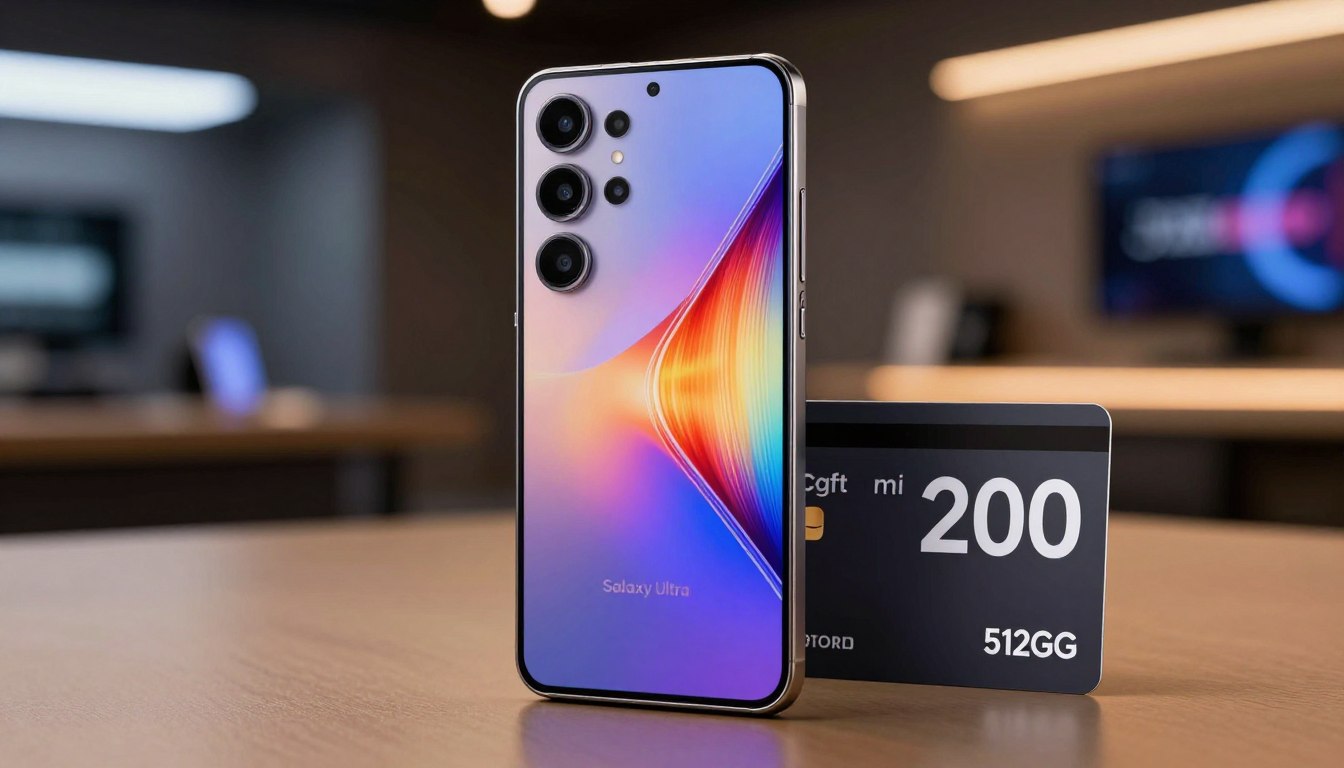
Galaxy S26 Ultra 5G vs Xiaomi 17 Pro Max: The Ultimate Flagship Showdown
The Android flagship space has never been more competitive. The Samsung Galaxy S26 Ultra 5G enters the market as a refined all-rounder, while the Xiaomi 17 Pro Max arrived late last year with aggressive specs, a secondary rear display, and Leica-tuned cameras. Both phones use the same Snapdragon 8 Elite Gen 5 chipset, so the real battle comes down to display philosophy, camera tuning, design, and value. This guide compares every major aspect to help you pick the right device.
Galaxy S26 Ultra 5G vs Xiaomi 17 Pro Max: Quick Comparison
| Feature | Galaxy S26 Ultra 5G | Xiaomi 17 Pro Max |
|---|---|---|
| Chipset | Snapdragon 8 Elite Gen 5 | Snapdragon 8 Elite Gen 5 |
| Display | 6.9-inch, 3120 x 1440, 498 PPI, 2600 nits | 6.9-inch, 2608 x 1220, 417 PPI, 3500 nits |
| Refresh rate | 120 Hz | 120 Hz |
| Rear cameras | Quad Leica-free 200 MP + 50 MP + 50 MP + 10 MP | Triple Leica 50 MP + 50 MP + 50 MP |
| Weight | 214 g | 219 g |
| Thickness | 7.9 mm | 8.0 mm |
| Water resistance | IP68 | IP68 |
| Base storage | 256 GB | 512 GB |
| Special feature | Built-in S Pen, Privacy Display | Secondary rear display, Leica optics |
Design and Build Quality
Both phones follow a premium design language with slim bodies, durable frames, and IP68 water and dust resistance. The Galaxy S26 Ultra is slightly taller but a little lighter at 214 g, with a glass rear panel that feels premium. The Xiaomi 17 Pro Max is marginally thicker and heavier at 219 g, with a fiberglass rear panel that is durable and practical. Both use aluminum frames and in-display fingerprint scanners, and both include vapor chamber cooling to manage heat during gaming or video recording. Day to day, the difference in comfort is small, but Samsung's lighter build may suit longer sessions.
Display Experience
Display is where these two diverge most. The Galaxy S26 Ultra offers a higher resolution and pixel density, producing sharper text and finer detail, which helps with reading, photo editing, and productivity. The Xiaomi 17 Pro Max counters with a much higher peak brightness of 3500 nits and a larger screen-to-body ratio, making it easier to view in direct sunlight and more immersive for HDR movies. Xiaomi also supports Dolby Vision for richer contrast and color in supported content. Samsung prioritizes sharpness; Xiaomi prioritizes brightness and cinematic viewing. Both run at a smooth 120 Hz.
Performance and Processor
Because both devices use the identical Snapdragon 8 Elite Gen 5 with an Adreno 840 GPU, real-world performance is nearly the same. Demanding games such as PUBG Mobile, Call of Duty Mobile, and Genshin Impact should run smoothly on high settings with stable frame rates. Both also handle 4K and 8K video recording, photo editing, and heavy multitasking with ease. Each offers up to 16 GB of RAM. Xiaomi starts at 512 GB of storage, which suits users who store large files and games, while Samsung starts at 256 GB. Neither supports expandable storage.
Camera Systems
Galaxy S26 Ultra
Samsung's quad-camera array includes a 200 MP main sensor, a 10 MP 3x telephoto, a 50 MP 5x periscope telephoto, and a 50 MP ultrawide. This gives it exceptional zoom range and 8K video capture. The system is versatile for both photography and content creation.
Xiaomi 17 Pro Max
Xiaomi partners with Leica for its triple 50 MP camera system, emphasizing color science and optical quality. The secondary rear display adds a unique touch for notifications and selfies. While it lacks the extreme zoom of the Galaxy, Leica tuning appeals to users who value natural color reproduction and a distinctive look.
Battery and Charging
Both phones pack large batteries designed for all-day use. Xiaomi's higher brightness panel can draw more power outdoors, while Samsung's higher resolution panel is also demanding. In practice, both should last a full day of mixed use. Charging speeds favor Xiaomi in many configurations, but both support fast wired and wireless charging. Heavy camera or gaming use will drain either device faster.
Software and Updates
The Galaxy S26 Ultra ships with Android 16 and One UI, offering deep customization, multitasking, Samsung DeX, and up to seven years of OS updates. The Xiaomi 17 Pro Max runs Android 16 with Xiaomi's interface, which is feature-rich but can feel busier. Samsung's update commitment and ecosystem integration are generally stronger, while Xiaomi offers more hardware per dollar.
Price and Value
The Galaxy S26 Ultra commands a premium for its S Pen, 8K video, extreme zoom, and long software support. The Xiaomi 17 Pro Max offers flagship performance, a brighter display, and more base storage at a more aggressive price. If you value stylus productivity and update longevity, Samsung is worth the premium. If you want maximum specs per dollar and Leica cameras, Xiaomi is compelling.
Verdict
Both are outstanding Android flagships sharing the same core processor. Choose the Galaxy S26 Ultra for the S Pen, sharper display, extreme zoom, and long-term updates. Choose the Xiaomi 17 Pro Max for higher brightness, Dolby Vision, Leica color science, and more storage at a lower price. Your daily habits should decide.
Frequently Asked Questions (FAQ)
Do both phones use the same processor?
Yes. Both the Galaxy S26 Ultra and Xiaomi 17 Pro Max use the Snapdragon 8 Elite Gen 5 with an Adreno 840 GPU, so raw performance is very similar.
Which has the brighter display?
The Xiaomi 17 Pro Max reaches up to 3500 nits peak brightness, compared to 2600 nits on the Galaxy S26 Ultra.
Which camera system is better?
The Galaxy offers higher resolution and longer zoom, while Xiaomi offers Leica-tuned color and a secondary rear display. Preference depends on whether you value zoom or color science.
Does the Xiaomi have an S Pen?
No. Only the Galaxy S26 Ultra includes a built-in S Pen.
Which offers better long-term value?
Samsung's longer update commitment favors the Galaxy, while Xiaomi's lower price and larger base storage favor the 17 Pro Max. Consider how long you plan to keep the phone.

Jabir Al Shaker
Founder and editor of StartsNest. Technology writer and digital marketing specialist with expertise in mobile technology, consumer electronics, and online business strategies.
View all articles by Jabir Al Shaker →More to read
Xiaomi 13 Lite Review: Exceptional Design Meets Unbeatable Camera
The Xiaomi 13 Lite combines a slim 171g design, a 120Hz AMOLED display, a flagship-grade 50MP camera, dual selfie cameras, and 67W fast charging into an appealing mid-range package.
Xiaomi 13 Ultra Review: What is so Ultra?
The Xiaomi 13 Ultra packs a 50MP 1-inch Leica camera, Snapdragon 8 Gen 2, a 6.73-inch LTPO OLED display, and a 5000mAh battery with 90W charging into a premium IP68 body. Here is whether it lives up to the hype.
Xiaomi 13T Review: New MidRange King?
The Xiaomi 13T brings a vegan leather design, 144Hz display, Dimensity 8200-Ultra performance, and Leica-tuned cameras to the mid-range. Here is whether it earns the mid-range crown.
Comments (0)
No comments yet. Be the first to share your thoughts!