
5 Ways to Double Your AC Efficiency
Improve your air conditioner's cooling performance and lower electricity bills with five practical efficiency tips and maintenance habits.
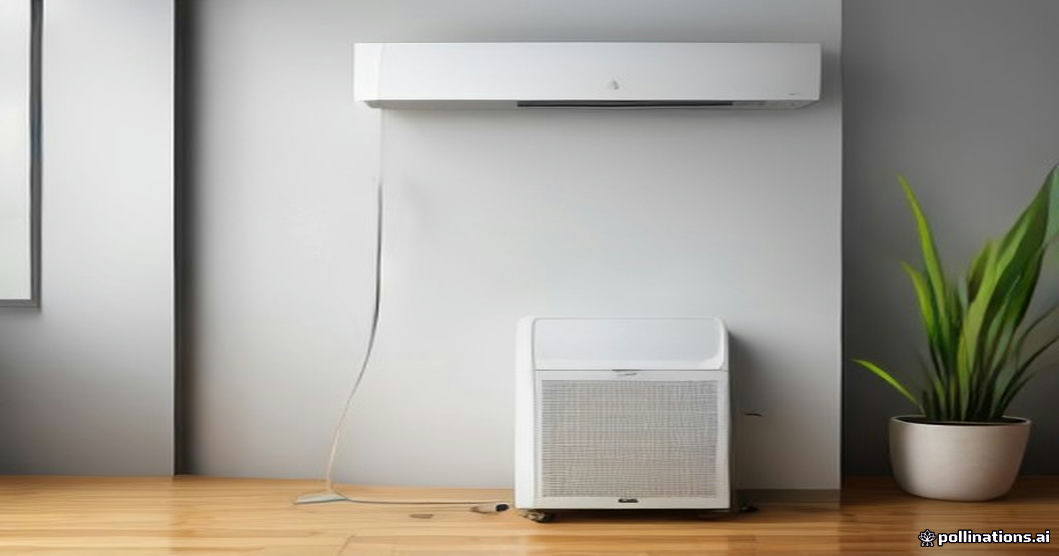
5 Ways to Double Your AC Efficiency
An air conditioner that runs constantly but fails to cool the room is frustrating and expensive. Often the problem is not a broken AC but small habits that reduce efficiency. By fixing a few common issues, you can make your AC cool faster, run smoother, and lower your electricity bill. Here are five practical ways to double your AC efficiency.
1. Set the Right Temperature
Many people set the AC to 16-18°C, thinking lower means faster cooling. In reality, it increases compressor strain and electricity use without proportional cooling. According to energy efficiency guidelines, 24-26°C is the ideal range. At this range, the AC works most efficiently and keeps you comfortable. Each degree below 24°C can increase power consumption by about 6 percent. Start with 24°C and adjust gradually; your body adapts, and your bill drops.
2. Keep the Filter Clean
The AC filter traps dust and debris. When clogged, airflow drops, cooling power falls, and energy use rises by up to 15 percent. In dusty areas, check the filter weekly during summer. Cleaning is simple: remove the filter, rinse with cool water, let it dry, and reinstall. A clean filter restores airflow, improves cooling, and reduces strain on the unit.
3. Seal the Room
Cool air escapes through gaps in doors, windows, and walls. If warm air enters, the AC works harder for less result. Ensure doors and windows are closed during operation. Use curtains to block direct sunlight, which heats rooms significantly. Seal gaps around windows with weather stripping or sealant. These small steps reduce the AC's workload and speed up cooling.
4. Use Smart Features
Modern ACs include features that save energy and improve comfort, but many users ignore them. Sleep mode adjusts temperature automatically at night to prevent over-cooling. Timer functions turn the AC off after a set period, avoiding all-night operation. Eco or Auto mode adjusts compressor speed based on room temperature, saving power in mild weather. Learning to use these features improves efficiency and comfort.
5. Schedule Regular Servicing
An AC is a machine that needs care. Dust buildup, low refrigerant, or faulty components reduce performance. Schedule professional servicing at least once a year, ideally before summer. Servicing includes gas level checks, coil cleaning, fan inspection, thermostat calibration, and electrical checks. Regular maintenance can improve efficiency by 10-15 percent and extend the unit's lifespan, saving you from costly replacements.
Additional Efficiency Tips
- Use a ceiling fan: It distributes cool air faster, allowing a higher AC temperature.
- Avoid heat sources: Keep lamps and electronics away from the thermostat area.
- Insulate the room: Better insulation reduces heat gain.
- Shade the outdoor unit: Protect it from direct sun without blocking airflow.
- Close curtains during peak sun: Reduces indoor heat buildup.
How to Calculate Your AC Bill
AC power consumption is rated in kilowatts. A 1.5-ton AC typically uses about 1.5-2.5 kW per hour. Multiply by daily usage hours and days to estimate monthly consumption. For example, 2.5 kW x 8 hours x 30 days = 600 kWh. Multiply by your electricity rate to estimate cost. This helps you budget and identify savings opportunities.
Seasonal Maintenance Checklist
Prepare your AC before summer with this checklist: clean or replace filters, clear debris around the outdoor unit, check refrigerant levels, test thermostat accuracy, inspect electrical connections, and clean condenser coils. Addressing these before peak season prevents breakdowns and maintains efficiency.
During summer, monitor performance weekly. If cooling drops or noise increases, investigate promptly. Early intervention prevents costly repairs and keeps bills manageable.
Energy Saving Habits
Beyond the five main tips, adopt daily habits: turn off the AC when leaving the room, use natural ventilation during cool evenings, and avoid setting extreme temperatures. Combine AC use with fans and curtains. These habits compound into significant annual savings.
FAQ
What temperature is best for AC efficiency?
24-26°C is ideal for both comfort and efficiency. Lower temperatures increase power use sharply.
How often should I clean the AC filter?
Every two weeks during heavy use, or weekly in dusty environments.
Does servicing really improve efficiency?
Yes. Regular servicing can improve efficiency by 10-15 percent and extend lifespan.
Should I run the AC all night?
Use a timer or sleep mode to reduce runtime. The room stays cool without all-night operation.
Is an inverter AC worth it?
Inverter ACs adjust compressor speed, reducing power use and maintaining stable temperature. They cost more upfront but save energy long-term.
Why is my AC not cooling well?
Common causes include dirty filters, low refrigerant, open doors, direct sunlight, or poor installation. Address these before assuming the unit is faulty.
Conclusion
Poor AC performance is often due to small, fixable habits rather than a faulty unit. Set the right temperature, clean filters, seal the room, use smart features, and service regularly. These five steps can significantly improve cooling and reduce your electricity bill. Adopt them today for a cooler, more efficient home.

Jabir Al Shaker
Founder and editor of StartsNest. Technology writer and digital marketing specialist with expertise in mobile technology, consumer electronics, and online business strategies.
View all articles by Jabir Al Shaker →More to read
Xiaomi 13 Lite Review: Exceptional Design Meets Unbeatable Camera
The Xiaomi 13 Lite combines a slim 171g design, a 120Hz AMOLED display, a flagship-grade 50MP camera, dual selfie cameras, and 67W fast charging into an appealing mid-range package.
Xiaomi 13 Ultra Review: What is so Ultra?
The Xiaomi 13 Ultra packs a 50MP 1-inch Leica camera, Snapdragon 8 Gen 2, a 6.73-inch LTPO OLED display, and a 5000mAh battery with 90W charging into a premium IP68 body. Here is whether it lives up to the hype.
Xiaomi 13T Review: New MidRange King?
The Xiaomi 13T brings a vegan leather design, 144Hz display, Dimensity 8200-Ultra performance, and Leica-tuned cameras to the mid-range. Here is whether it earns the mid-range crown.
Comments (0)
No comments yet. Be the first to share your thoughts!